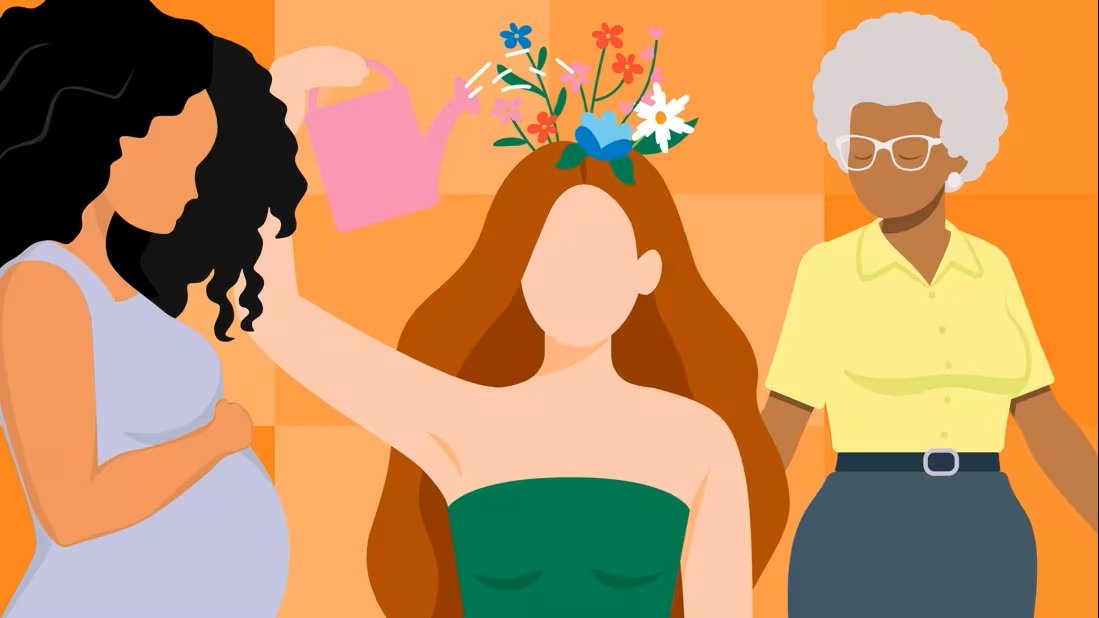
Women’s health changes throughout life. The habits that support well-being during the teenage years may look different from those that become important during pregnancy, midlife, menopause, or older adulthood. However, some foundations remain consistent: nutritious food, regular physical activity, adequate sleep, emotional well-being, preventive healthcare, and attention to changes in the body.
Taking care of your health does not mean following a perfect routine. It means building sustainable habits that support your physical and mental well-being while adapting to your changing needs.
The World Health Organization explains that women’s health extends across the entire life course, from adolescence through older age, and includes physical, mental, sexual, and reproductive health.
This guide explores practical women’s wellness habits and explains how priorities can change at different stages of life.
Why Women’s Health Needs a Lifelong Approach
Women’s health is influenced by age, hormones, genetics, lifestyle, reproductive history, environment, and social factors. Health concerns can also present differently from person to person.
For this reason, there is no single wellness plan that works for every woman.
A lifelong approach focuses on prevention, healthy daily habits, regular healthcare visits, and early attention to changes that may need professional evaluation.
The U.S. Office on Women’s Health emphasizes prevention and early detection throughout the lifespan, alongside nutrition, physical activity, sleep, stress management, and age-appropriate screening.
Build a Balanced and Nutrient-Rich Diet
Nutrition is one of the most important foundations of women’s health. Your nutritional needs can change during adolescence, pregnancy, breastfeeding, adulthood, menopause, and older age.
A healthy diet should provide a variety of nutrients without requiring complicated meal plans.
The WHO recommends a diverse diet built around vegetables, fruits, legumes, nuts, whole grains, and other minimally processed foods while limiting excess free sugars, unhealthy fats, and sodium.
Include Plenty of Fruits and Vegetables
Try to include a variety of colors and types of produce throughout the week.
Useful choices include:
- Leafy green vegetables
- Broccoli and other cruciferous vegetables
- Tomatoes and peppers
- Carrots and sweet potatoes
- Berries and other fruits
- Citrus fruits
- Apples and pears
- Beans and lentils
Fresh, frozen, and appropriately prepared canned produce can all contribute to a nutritious eating pattern.
Pay Attention to Protein
Protein supports muscles, tissues, enzymes, hormones, and many other functions.
Depending on dietary preferences, sources can include eggs, fish, poultry, yogurt, milk, tofu, beans, lentils, nuts, and seeds.
Protein needs vary between individuals, so women who are pregnant, highly active, older, or managing a health condition may benefit from personalized nutritional advice.
Stay Physically Active
Regular physical activity supports cardiovascular health, muscle strength, bone health, mobility, and overall well-being.
The type and amount of activity that feels appropriate can change throughout life, but staying active consistently is valuable at almost every age.
Combine Aerobic and Strength Activities
A well-rounded routine can include activities such as:
- Brisk walking
- Cycling
- Swimming
- Dancing
- Jogging
- Strength training
- Resistance-band exercises
- Yoga
- Pilates
Strength training is particularly useful because maintaining muscle becomes increasingly important with age.
Women who are new to exercise should begin gradually and increase activity as fitness and confidence improve.
Avoid Sitting for Long Periods
Even if you exercise regularly, spending most of the day sitting can reduce overall daily movement.
Try taking short movement breaks during work or study. Walk around during phone calls, stretch between tasks, or take a short walk after meals.
Small amounts of movement throughout the day can make an active lifestyle easier to maintain.
Prioritize Bone Health
Bone health deserves attention throughout a woman’s life, not just after menopause.
Bone mass develops during childhood and adolescence, while maintaining bone strength remains important during adulthood and older age.
Support Bones With Nutrition and Exercise
Calcium, vitamin D, protein, and other nutrients contribute to healthy bones. Dairy foods, fortified alternatives, leafy greens, tofu made with calcium, fish with edible bones, and other nutrient-rich foods can contribute calcium.
Weight-bearing activities and resistance exercises can also support bone and muscle health.
Women with risk factors for osteoporosis should discuss bone health with a healthcare professional rather than relying solely on general dietary advice.
Protect Your Mental and Emotional Well-Being
Mental health is an essential part of women’s overall wellness. Stress, relationships, work, caregiving responsibilities, hormonal changes, sleep problems, and major life events can all affect emotional well-being.
Taking care of mental health should be treated as a normal part of healthcare rather than something to address only during a crisis.
Develop Healthy Stress-Management Habits
Useful strategies can include:
- Regular exercise
- Adequate sleep
- Deep breathing
- Meditation
- Journaling
- Spending time outdoors
- Connecting with supportive people
- Enjoying hobbies
- Taking breaks from digital devices
If stress, anxiety, sadness, or other emotional difficulties persist or interfere with everyday life, professional support can be appropriate.
Get Enough Quality Sleep
Sleep plays an important role in physical and emotional health. Poor sleep can affect concentration, mood, energy, appetite, and daily functioning.
Sleep needs vary between individuals, but most adults require around seven or more hours per night.
Create a Consistent Sleep Routine
Try to maintain relatively consistent sleep and wake times.
Other useful habits include keeping your bedroom comfortable, limiting stimulating activities before bedtime, reducing excessive screen exposure at night, and avoiding large meals or excessive caffeine close to bedtime.
Persistent sleep problems should be discussed with a healthcare professional, particularly if you experience loud snoring, breathing interruptions, or significant daytime sleepiness.
Women’s Health During the Teen Years and 20s
Adolescence and young adulthood are important periods for establishing lifelong health habits.
This is a useful time to develop healthy relationships with food, physical activity, sleep, mental health, and healthcare.
Focus on Building a Strong Foundation
Important habits can include:
- Eating a varied diet
- Staying physically active
- Getting adequate sleep
- Learning about menstrual health
- Maintaining healthy relationships
- Protecting sexual health
- Avoiding tobacco and nicotine
- Developing healthy stress-management skills
- Becoming comfortable discussing health concerns with healthcare professionals
Learning how to access healthcare and ask questions can also help establish confidence that lasts into adulthood.
Women’s Health During the 30s and 40s
During the 30s and 40s, responsibilities related to work, family, relationships, and caregiving can make personal health easier to overlook.
This is a good time to maintain preventive care while continuing the habits established earlier.
The Office on Women’s Health describes well-woman visits as an opportunity to discuss health goals, preventive care, and changes that may affect health.
Monitor Important Health Factors
Depending on individual risk factors, healthcare visits may include discussions about:
- Blood pressure
- Cholesterol
- Blood glucose
- Weight
- Mental health
- Reproductive health
- Family medical history
- Cancer screening
- Vaccinations
Screening recommendations vary according to age, risk factors, country, and personal history, so women should discuss appropriate screening schedules with their healthcare providers.
Women’s Health During Pregnancy and After Childbirth
Pregnancy and the postpartum period bring significant physical and emotional changes.
Nutrition, prenatal care, physical activity when appropriate, sleep, mental health, and medical monitoring are all important during this period.
Focus on Individualized Prenatal Care
Pregnancy is not the time to rely on generic wellness advice alone. Nutritional requirements, supplements, physical activity, medications, and medical monitoring should be discussed with an obstetric or other qualified healthcare professional.
Pregnant women should also seek professional advice about symptoms such as unusual bleeding, severe abdominal pain, significant swelling, severe headache, breathing difficulty, or other concerning changes.
Pay Attention to Postpartum Well-Being
The postpartum period can be physically and emotionally demanding.
Recovery, nutrition, sleep, physical activity, breastfeeding if chosen, and emotional health all deserve attention.
Persistent sadness, severe anxiety, inability to cope, or thoughts of self-harm require prompt professional support.
Women’s Health During Perimenopause and Menopause
Perimenopause is the transition leading up to menopause and can involve changes in menstrual cycles, sleep, mood, body composition, and other aspects of health.
Menopause marks the end of menstrual periods and is associated with hormonal changes that can affect different aspects of health.
Support Heart and Bone Health
Midlife is an important period for paying attention to cardiovascular and bone health.
Regular physical activity, nutritious eating, adequate sleep, maintaining a healthy weight, and monitoring blood pressure, cholesterol, and blood glucose when appropriate can contribute to long-term health.
The Office on Women’s Health notes that hormonal changes during menopause can affect areas including cardiovascular health, bone density, sleep, and metabolic health.
Discuss Menopause Symptoms With a Healthcare Professional
Symptoms such as hot flashes, night sweats, vaginal dryness, sleep problems, and mood changes can affect quality of life.
Women do not have to simply tolerate symptoms without discussing them. A healthcare professional can explain available options and consider individual medical history, risks, preferences, and symptoms.
Women’s Health After 50
As women move into later adulthood, maintaining strength, mobility, balance, cardiovascular health, cognitive health, and independence becomes increasingly important.
Keep Moving
Activities that combine aerobic fitness, strength, flexibility, and balance can support physical function.
Walking, strength training, swimming, gardening, yoga, and balance exercises can all be adapted to individual abilities.
Women with health conditions or mobility limitations should ask a healthcare professional or qualified exercise professional about suitable activities.
Continue Preventive Care
Preventive screening does not stop with age.
The Office on Women’s Health provides age-specific guidance covering topics such as breast health, cervical cancer, colorectal cancer, bone health, cholesterol, and other discussions. Recommendations can change based on personal and family history.
Regular checkups can also provide an opportunity to review medications, vaccinations, vision, hearing, mental health, nutrition, mobility, and other concerns.
Maintain Healthy Relationships
Social connection can become especially important during periods of major life change, including retirement, children leaving home, bereavement, relocation, or changes in work.
Make time for family, friends, community activities, hobbies, volunteering, or other relationships that provide meaningful connection.
Healthy relationships can support emotional well-being and provide practical support when circumstances become difficult.
Avoid Tobacco and Limit Alcohol
Avoiding tobacco is one of the most important choices for long-term health. Smoking affects cardiovascular health, lung health, cancer risk, and many other areas of the body.
Alcohol also deserves consideration. If you drink, discuss appropriate limits with your healthcare professional, particularly if you take medications or have a condition affected by alcohol.
Do not use alcohol or tobacco as a strategy for managing stress.
Pay Attention to Preventive Screenings
Preventive healthcare helps identify health concerns before symptoms become significant.
However, there is no universal screening schedule that applies identically to every woman.
Discuss Screening Based on Your Risk
Depending on age and individual circumstances, healthcare professionals may discuss:
- Blood pressure checks
- Cholesterol testing
- Diabetes screening
- Cervical cancer screening
- Breast cancer screening
- Colorectal cancer screening
- Bone health assessment
- Vaccinations
- Sexual and reproductive health
- Mental health
- Family history and genetic risk
The Office on Women’s Health screening guide provides an overview of screening discussions across different stages of life.
Listen to Changes in Your Body
Knowing what is normal for you can make it easier to recognize changes that deserve attention.
Do not ignore persistent or unexplained symptoms simply because they seem minor.
Changes involving menstrual patterns, breast health, unexplained weight changes, persistent fatigue, unusual pain, digestive symptoms, mood, sleep, or other body functions may have many possible causes.
A healthcare professional can help determine whether evaluation is necessary.
Create a Simple Women’s Wellness Routine
Healthy habits become easier when they are practical.
Daily Habits
Try to:
- Eat a variety of nutritious foods.
- Drink enough fluids.
- Move regularly.
- Get adequate sleep.
- Take short breaks during stressful days.
- Spend time with supportive people.
- Make time for something enjoyable.
Weekly Habits
Set aside time for:
- Exercise and strength training
- Meal planning
- Social activities
- Outdoor time
- Hobbies
- Reviewing upcoming healthcare appointments
Yearly Habits
Depending on your age and health history:
- Schedule routine healthcare visits.
- Review recommended screenings.
- Discuss vaccinations.
- Review medications and supplements.
- Update your family health history.
- Talk about any persistent symptoms or health concerns.
Common Women’s Wellness Mistakes to Avoid
Putting Everyone Else First
Women often have responsibilities toward children, partners, parents, careers, or communities. Personal healthcare should not always be the last priority.
Following One-Size-Fits-All Advice
Health recommendations can differ based on age, pregnancy, medical history, medications, and risk factors. Personalized professional advice is particularly important for medical conditions and major lifestyle changes.
Ignoring Mental Health
Emotional health deserves the same attention as physical health. Persistent anxiety, depression, severe stress, or other concerns should not be dismissed.
Depending on Supplements Instead of Food
Supplements can be useful in specific circumstances, but they are not a replacement for a varied diet. Some supplements can also interact with medications or cause excessive nutrient intake.
Frequently Asked Questions About Women’s Health
What are the most important habits for women’s health?
A balanced diet, regular physical activity, adequate sleep, stress management, social connection, avoiding tobacco, appropriate alcohol use, and regular preventive healthcare are important foundations for women’s wellness.
How does women’s health change with age?
Health priorities change over time. Adolescence may focus on nutrition and healthy development, reproductive years may include reproductive and pregnancy-related care, midlife often brings greater attention to cardiovascular and metabolic health, while older adulthood places increasing emphasis on strength, mobility, bone health, and independence.
What foods are important for women’s health?
A varied diet containing vegetables, fruits, whole grains, beans, lentils, nuts, seeds, and appropriate sources of protein can provide many essential nutrients. Individual nutritional requirements vary.
How important is exercise for women?
Regular physical activity supports cardiovascular fitness, muscle strength, bone health, mobility, and overall well-being. Combining aerobic activity with strength and balance exercises can provide a well-rounded approach.
Should women take vitamins every day?
Not necessarily. Supplement needs vary based on diet, age, pregnancy status, medical conditions, medications, and laboratory findings. Discuss supplements with a healthcare professional when appropriate.
How often should women get health screenings?
There is no single schedule that applies to every woman. Screening recommendations depend on age, personal history, family history, risk factors, and the healthcare system in your country. Discuss an appropriate preventive-care schedule with your healthcare provider.
Final Thoughts
Women’s health is a lifelong journey rather than a single goal. The habits that support well-being can change with age, but the basic principles remain remarkably consistent: eat a varied and nutritious diet, stay active, sleep well, protect your mental health, maintain supportive relationships, avoid tobacco, and keep up with appropriate preventive care.
Every stage of life brings different opportunities and challenges. Adolescence is a time to build healthy foundations, adulthood is an opportunity to maintain them, pregnancy and postpartum require individualized care, midlife brings important attention to cardiovascular and bone health, and later adulthood emphasizes strength, mobility, independence, and quality of life.
Most importantly, wellness advice should be adapted to the individual. Use general health information as a starting point, but work with qualified healthcare professionals for personalized screening, nutrition, reproductive care, medication, and treatment decisions.
Medical Disclaimer: This article is for general educational purposes only and is not a substitute for medical diagnosis, treatment, or personalized healthcare advice. Women’s health needs vary according to age, medical history, pregnancy status, medications, family history, and other factors. Consult a qualified healthcare professional about symptoms, screenings, supplements, medications, or significant changes to your health routine.