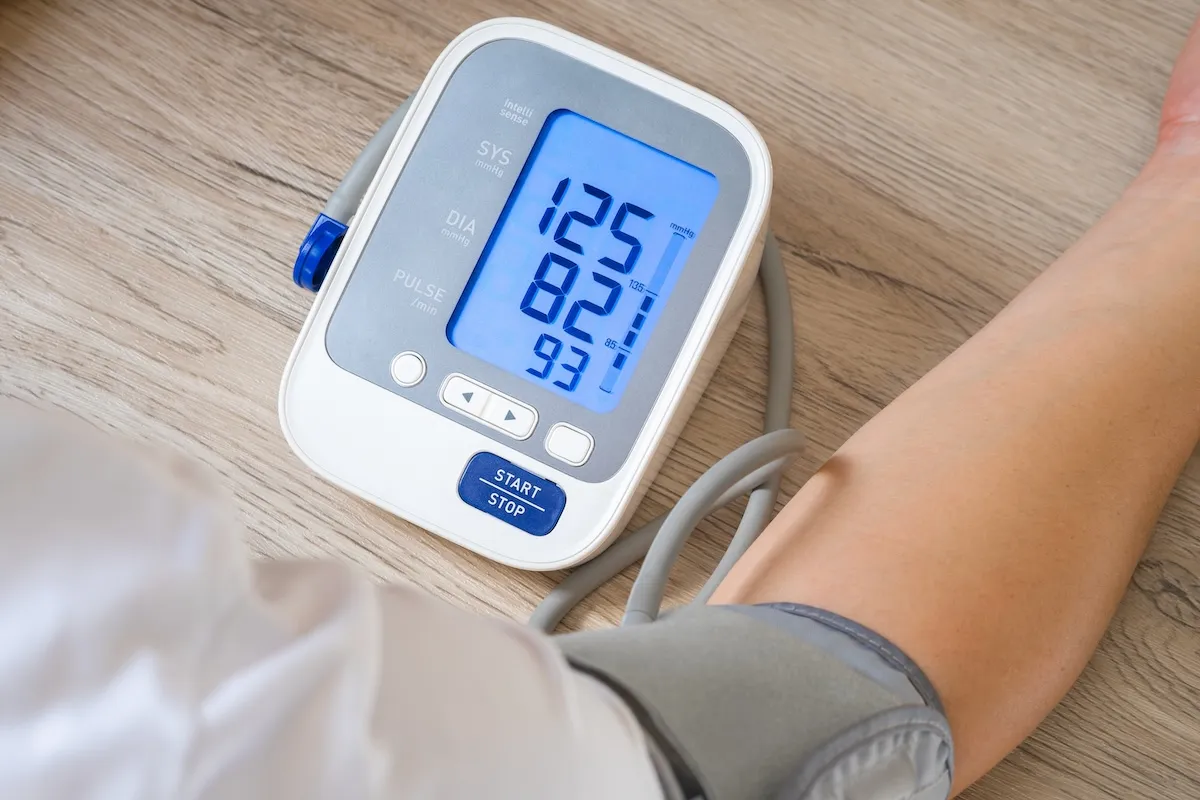
Blood pressure is an important indicator of cardiovascular health. It naturally changes throughout the day depending on factors such as activity, stress, sleep, food, and hydration. When blood pressure remains consistently higher than recommended, it can place additional strain on the heart and blood vessels.
The good news is that everyday lifestyle habits can play an important role in supporting healthy blood pressure. Eating a balanced diet, staying physically active, maintaining a healthy weight, getting enough sleep, managing stress, avoiding tobacco, and limiting alcohol are all important parts of a heart-healthy lifestyle.
According to the Centers for Disease Control and Prevention (CDC), high blood pressure often has no obvious symptoms, which is why regular blood pressure checks are important. Lifestyle changes can help many people maintain healthier blood pressure, although some people also need medication and medical monitoring.
What Is Blood Pressure?
Blood pressure is the force of blood pushing against the walls of your arteries as your heart pumps blood throughout your body. A blood pressure reading contains two numbers: systolic pressure and diastolic pressure.
Systolic pressure is the upper number and represents pressure when the heart contracts. Diastolic pressure is the lower number and represents pressure when the heart relaxes between beats.
The CDC currently defines high blood pressure as consistently measuring 130/80 mm Hg or higher. A single reading does not necessarily establish a diagnosis because blood pressure can vary throughout the day and between different settings.
Why Healthy Blood Pressure Matters
Maintaining healthy blood pressure is an important part of protecting cardiovascular health. Consistently high blood pressure can affect the heart and blood vessels and increase the risk of serious health problems.
High blood pressure may develop without noticeable symptoms. This makes regular monitoring particularly important, especially for people who have risk factors such as family history, excess weight, physical inactivity, an unhealthy diet, tobacco use, or excessive alcohol consumption.
The World Health Organization (WHO) identifies unhealthy diet, physical inactivity, tobacco use, excess alcohol consumption, and overweight or obesity among the modifiable factors associated with hypertension.
Follow a Heart-Healthy Eating Pattern
What you eat regularly can influence blood pressure and overall heart health. Instead of focusing on a single food or nutrient, aim for an overall balanced eating pattern.
The American Heart Association recommends a dietary pattern that emphasizes vegetables, fruits, whole grains, legumes, nuts, seeds, lean proteins, fish, and healthy oils.
Eat More Fruits and Vegetables
Fruits and vegetables provide fiber, potassium, vitamins, minerals, and other nutrients that can contribute to a healthy diet.
Try adding variety throughout the day:
- Leafy green vegetables
- Tomatoes
- Carrots
- Broccoli
- Bell peppers
- Beans
- Bananas
- Oranges
- Berries
- Apples
Fresh, frozen, and appropriately prepared canned produce can all fit into a healthy eating pattern.
Choose Whole Grains More Often
Whole grains can provide more fiber and nutrients than refined grains.
Good options include:
- Oats
- Brown rice
- Whole-wheat bread
- Barley
- Whole-grain cereals
- Millets
- Whole-wheat pasta
Replacing some refined grain products with whole-grain alternatives can be a practical improvement to your everyday diet.
Include Healthy Sources of Protein
Protein-rich foods can make meals more satisfying while contributing important nutrients.
Depending on your dietary preferences, options include beans, lentils, peas, fish, eggs, poultry, yogurt, tofu, nuts, and seeds.
Try to choose less processed protein sources more often and limit highly processed meats.
Reduce Sodium and Salt
One of the most important dietary habits for blood pressure is reducing excessive sodium intake.
Sodium is naturally present in foods, but large amounts can also come from packaged, processed, restaurant, and ready-to-eat foods.
The WHO recommends that adults consume less than 5 grams of salt per day, equivalent to less than 2,000 mg of sodium.
Look Beyond the Salt Shaker
Simply removing the salt shaker from the table may not be enough because many foods already contain substantial sodium.
Common sources can include:
- Packaged snacks
- Instant noodles
- Processed meats
- Pickles
- Sauces
- Ready-made meals
- Salted nuts
- Some breads and bakery products
- Restaurant foods
Read nutrition labels when available and compare similar products to identify lower-sodium options.
Add Flavor Without Excess Salt
Reducing salt does not mean food has to become bland.
Try using:
- Garlic
- Ginger
- Lemon or lime
- Fresh herbs
- Black pepper
- Cumin
- Turmeric
- Coriander
- Other herbs and spices
Gradually reducing salt can allow your taste preferences to adjust over time.
Include Potassium-Rich Foods When Appropriate
Potassium is an essential mineral that helps with normal muscle and nerve function and plays a role in fluid balance.
Foods that can provide potassium include bananas, potatoes, beans, lentils, leafy vegetables, tomatoes, yogurt, and various fruits and vegetables.
The WHO notes that potassium can help mitigate some of the effects of elevated sodium intake on blood pressure.
However, more potassium is not appropriate for everyone. People with kidney disease or certain medical conditions may need to limit potassium, and some medications can affect potassium levels. If this applies to you, ask your healthcare professional before significantly increasing potassium intake or using potassium supplements.
Stay Physically Active
Regular physical activity is one of the most useful lifestyle habits for cardiovascular health.
The American Heart Association recommends that adults aim for at least 150 minutes of moderate-intensity aerobic activity per week, or 75 minutes of vigorous activity, with strength-building activities also included during the week.
Start With Walking
Walking is an easy way to add movement to your day.
You could:
- Take a walk after meals
- Walk during work breaks
- Use stairs when appropriate
- Walk while talking on the phone
- Take an evening walk
- Park farther away when practical
If you have been inactive, start gradually rather than trying to reach a large exercise goal immediately.
Add Strength Training
Strength training can complement aerobic activity by helping maintain muscle strength and physical function.
Options include:
- Bodyweight exercises
- Resistance bands
- Squats
- Light weights
- Lunges
- Strength machines
If you have a cardiovascular condition or have been inactive for a long period, speak with a healthcare professional about appropriate exercise intensity.
Maintain a Healthy Weight
Body weight is one factor associated with blood pressure. For people who have overweight or obesity, even modest weight loss can contribute to improvements in blood pressure and overall cardiovascular health.
The American Heart Association notes that achieving or maintaining a healthy weight is part of a comprehensive approach to blood pressure management.
Healthy weight management should focus on sustainable habits rather than crash diets.
A practical approach includes:
- Eating balanced meals
- Controlling portions
- Increasing vegetables and fruits
- Choosing high-fiber foods
- Staying physically active
- Getting adequate sleep
- Managing stress
Your healthy weight range is individual, so discuss weight goals with a qualified healthcare professional when necessary.
Get Enough Quality Sleep
Sleep is closely connected with overall cardiovascular health. Poor sleep habits and consistently short sleep can be associated with higher blood pressure.
The American Heart Association includes healthy sleep as one of its Life’s Essential 8 cardiovascular health measures.
Build a Consistent Sleep Routine
Try to maintain a relatively consistent bedtime and wake-up time.
Helpful habits can include:
- Keeping your bedroom comfortable and quiet
- Limiting stimulating activities before bed
- Reducing excessive screen use at night
- Avoiding heavy meals close to bedtime
- Getting regular daytime activity
- Creating a relaxing pre-sleep routine
If you regularly snore loudly, stop breathing during sleep, or feel excessively tired during the day, discuss these symptoms with a healthcare professional.
Manage Everyday Stress
Stress is a normal part of life, but ongoing stress can make it harder to maintain healthy habits and may temporarily affect blood pressure.
Stress management does not require complicated techniques. The best approach is one that fits naturally into your daily life.
Try Simple Stress-Management Activities
Consider:
- Deep breathing exercises
- Meditation
- Gentle yoga
- Walking outdoors
- Reading
- Listening to music
- Spending time with family or friends
- Hobbies
- Regular physical activity
The American Heart Association also identifies stress-management techniques such as meditation, breathing control, and yoga as useful components of a heart-healthy lifestyle.
Avoid Tobacco and Nicotine
Smoking can damage blood vessels and increase cardiovascular risk. Nicotine can also cause a temporary increase in blood pressure.
Avoiding tobacco products is therefore an important part of protecting heart and blood vessel health.
If you currently smoke, quitting can be challenging, but professional support can make the process more manageable. Talk with a healthcare professional about evidence-based cessation options.
The CDC recommends not smoking as part of healthy blood pressure prevention and management.
Limit Alcohol Consumption
Alcohol can affect blood pressure, and drinking too much can increase the risk of hypertension.
If you drink alcohol, consider limiting your intake. Some people may benefit from avoiding alcohol altogether.
The American Heart Association recommends reducing or eliminating alcohol as part of a lifestyle approach to blood pressure management.
Do not start drinking alcohol for supposed health benefits.
Drink Water Regularly
Staying hydrated supports normal body functions, although hydration alone is not a treatment for high blood pressure.
Water is generally a good everyday beverage choice. It is also useful to limit sugary drinks because they can contribute significant amounts of added sugar and calories to the diet.
Choose water more often and make sweetened beverages an occasional rather than routine choice.
Reduce Highly Processed Foods
Highly processed foods can be significant sources of sodium, added sugars, saturated fats, and excess calories.
This does not mean every packaged food needs to be eliminated. Instead, make minimally processed foods the foundation of most meals.
Try to build meals around:
- Vegetables
- Fruits
- Whole grains
- Beans and lentils
- Nuts and seeds
- Fish
- Lean proteins
- Low-fat or suitable dairy foods
The WHO recommends a diet centered on a variety of minimally processed and unprocessed foods that are lower in unhealthy fats, free sugars, and sodium.
Consider the DASH Eating Pattern
The DASH diet, or Dietary Approaches to Stop Hypertension, is a dietary pattern specifically developed around heart-healthy eating and blood pressure management.
It emphasizes vegetables, fruits, whole grains, beans, nuts, seeds, and lower-fat dairy, along with appropriate amounts of fish, poultry, and other lean protein sources. It also emphasizes reducing sodium and limiting foods high in saturated fat and added sugars.
The CDC recognizes DASH as a healthy dietary approach with evidence supporting its role in lowering blood pressure.
You do not necessarily need to follow a rigid meal plan. The underlying principles can be incorporated into your normal eating habits.
Monitor Your Blood Pressure
Because high blood pressure often has no obvious symptoms, checking your blood pressure is important.
Home monitoring can be useful for people who have been advised to track their readings. The CDC recommends working with a healthcare team to monitor and manage high blood pressure.
Take Readings Correctly
For more reliable home readings:
- Sit quietly for several minutes beforehand.
- Keep your back supported.
- Place your feet flat on the floor.
- Keep your arm supported.
- Use an appropriately sized cuff.
- Avoid talking during the measurement.
- Follow your monitor’s instructions carefully.
Keep a record of readings if your healthcare professional has asked you to monitor your blood pressure.
Make Healthy Habits Easier to Maintain
Long-term results usually depend on consistency rather than perfection.
Instead of changing everything at once, choose a few realistic habits.
For example:
Morning
Start your day with a balanced breakfast and water. If possible, include some light movement.
Afternoon
Choose a nutritious lunch, take movement breaks, and avoid spending the entire day sitting.
Evening
Eat a balanced dinner, limit excess sodium and highly processed foods, and take a short walk if appropriate.
Before Bed
Follow a relaxing bedtime routine and aim for a consistent sleep schedule.
Small habits repeated regularly can become part of your normal lifestyle.
Common Mistakes to Avoid
Relying on One “Blood Pressure” Food
No single food can replace a healthy overall diet or prescribed treatment. Focus on dietary patterns rather than miracle foods.
Making Extreme Dietary Changes
Very restrictive diets can be difficult to maintain and may not provide balanced nutrition. Sustainable changes are usually more practical.
Stopping Medication Without Medical Advice
Lifestyle changes can help blood pressure, but some people still need medication. Never stop or change prescribed blood pressure medicine without speaking with your healthcare professional.
Checking Blood Pressure Only When You Feel Unwell
High blood pressure often does not cause noticeable symptoms. Regular monitoring is therefore more useful than relying on how you feel.
When to Talk to a Healthcare Professional
Speak with a healthcare professional if you repeatedly receive blood pressure readings above your recommended range or have been told that your blood pressure is elevated.
Medical guidance is particularly important if you have diabetes, kidney disease, heart disease, are pregnant, or take medications that can affect blood pressure.
Lifestyle changes may be recommended alongside medication. The WHO notes that some people with hypertension will still need medication even after making healthy lifestyle changes.
If you ever have a very high blood pressure reading accompanied by concerning symptoms such as chest pain, difficulty breathing, severe headache, weakness, confusion, or vision changes, seek urgent medical care.
Frequently Asked Questions About Healthy Blood Pressure
What lifestyle habits help support healthy blood pressure?
A heart-healthy diet, regular physical activity, healthy weight management, adequate sleep, stress management, avoiding tobacco, limiting alcohol, and reducing excessive sodium intake can all support healthier blood pressure.
Can walking help with blood pressure?
Regular physical activity such as brisk walking can support cardiovascular health and may help lower blood pressure. Start at a comfortable level and gradually increase activity as your fitness improves.
What foods are good for blood pressure?
Vegetables, fruits, whole grains, beans, lentils, nuts, seeds, fish, and other nutrient-rich foods can fit into a heart-healthy eating pattern. Reducing high-sodium and highly processed foods is also important.
How much salt should I eat?
The WHO recommends that adults consume less than 5 grams of salt per day, equivalent to less than 2,000 mg of sodium. Individual advice may differ depending on your health circumstances.
Can stress increase blood pressure?
Stress can temporarily raise blood pressure and may also make healthy behaviors more difficult to maintain. Regular physical activity, relaxation techniques, adequate sleep, and social support can help with stress management.
Can lifestyle changes replace blood pressure medication?
Not always. Some people can improve their blood pressure substantially through lifestyle changes, while others require medication. Do not stop or change prescribed medication without medical advice.
Final Thoughts
Supporting healthy blood pressure is not about following one complicated diet or finding a single “superfood.” It is about creating a collection of healthy habits that work together.
Focus on eating more vegetables, fruits, whole grains, beans, nuts, and other nutrient-rich foods while reducing excessive sodium and highly processed foods. Stay active, maintain a healthy weight, sleep well, manage stress, avoid tobacco, and limit alcohol.
Most importantly, remember that high blood pressure can exist without noticeable symptoms. Regular blood pressure checks can help identify changes early, while a healthcare professional can help determine whether lifestyle changes, medication, or both are appropriate for you.
Healthy habits are most effective when they are realistic enough to maintain over time. Start with one or two changes, build consistency, and gradually create a lifestyle that supports your cardiovascular health.
Medical Disclaimer: This article is intended for general educational purposes only and does not provide medical diagnosis or treatment. Blood pressure goals and treatment plans vary between individuals. If you have high blood pressure, cardiovascular disease, kidney disease, diabetes, are pregnant, or take blood pressure medication, consult a qualified healthcare professional before making significant changes to your diet, exercise, or medication.