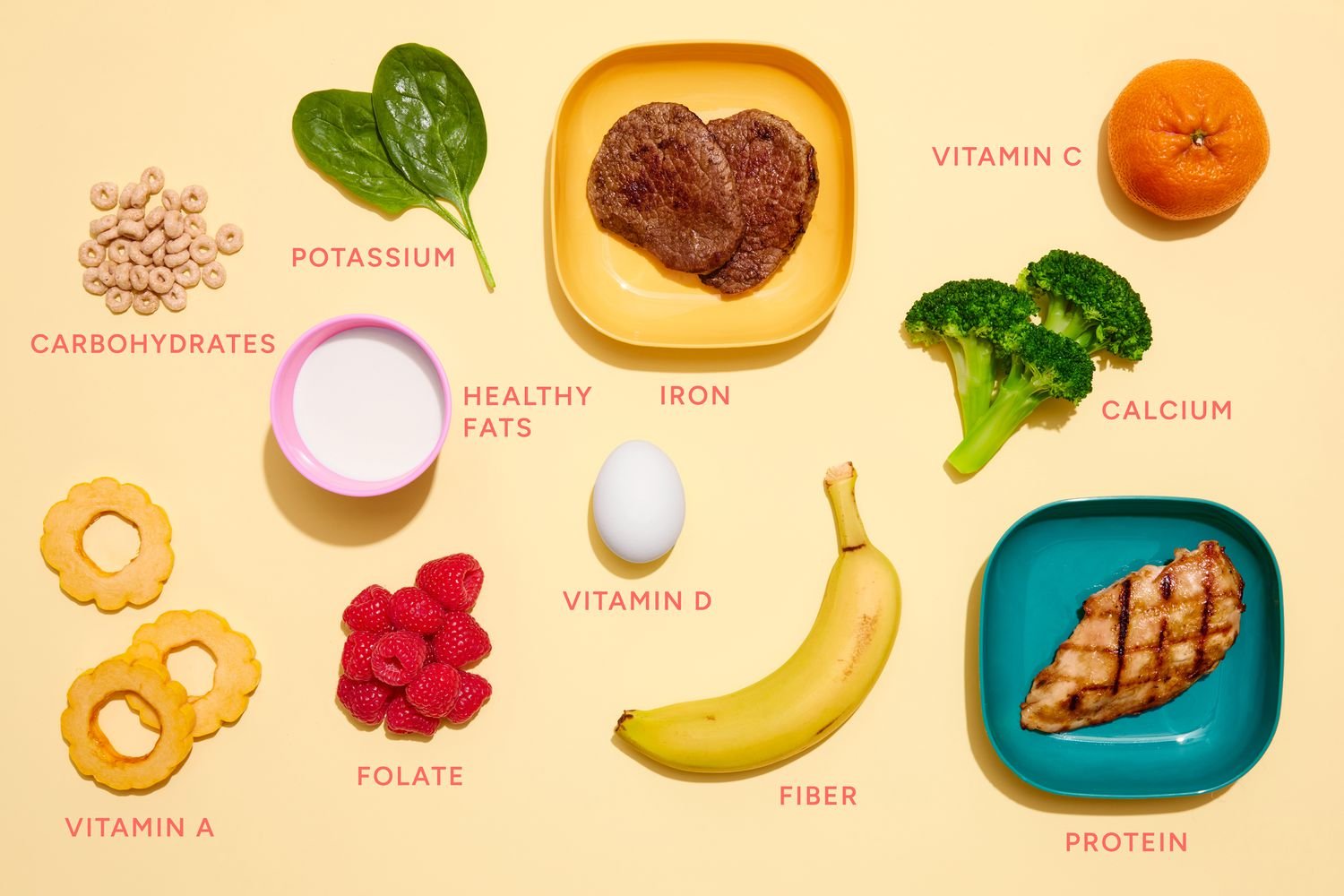
Eating a healthy diet does not have to mean following complicated meal plans or eliminating all the foods you enjoy. A better approach is to build your everyday meals around a variety of nutrient-rich foods that provide essential vitamins, minerals, fiber, protein, healthy fats, and other beneficial nutrients.
Nutrient-dense foods can help you get more nutritional value from your meals while supporting energy, heart health, digestion, healthy weight management, and overall well-being. The World Health Organization (WHO) recommends a varied diet that includes fruits, vegetables, legumes, nuts, whole grains, and appropriate sources of protein and healthy fats.
Whether you are trying to improve your eating habits, support an active lifestyle, or simply make healthier food choices, adding a wider variety of nutritious foods to your meals can be a practical place to start.
What Are Nutrient-Rich Foods?
Nutrient-rich, or nutrient-dense, foods provide important nutrients relative to their calorie content. These foods can include vegetables, fruits, legumes, whole grains, nuts, seeds, fish, eggs, and other minimally processed foods.
There is no single food that provides every nutrient your body needs. This is why dietary variety is so important.
A healthy eating pattern generally includes foods from different food groups and balances carbohydrates, protein, fats, vitamins, minerals, and fiber. WHO describes adequacy, balance, moderation, and diversity as important principles of a healthy diet.
Why Should You Eat More Nutrient-Rich Foods?
Choosing nutritious foods regularly can make it easier to meet your body’s nutritional needs.
A diet rich in vegetables, fruits, legumes, nuts, and whole grains is associated with important health benefits and can help protect against several diet-related chronic diseases.
Nutrient-rich foods can also help you:
- Support normal immune function
- Maintain healthy digestion
- Support heart health
- Maintain muscle and bone health
- Get essential vitamins and minerals
- Increase dietary fiber intake
- Support healthy weight management
- Maintain steady energy throughout the day
- Build more balanced meals
The goal is not to find a “perfect” food. Instead, focus on creating a varied diet that contains plenty of nutritious choices.
10 Nutrient-Rich Foods to Add to Your Diet
1. Leafy Green Vegetables
Leafy greens such as spinach, kale, mustard greens, collard greens, and other dark-green vegetables are excellent additions to a healthy diet.
They provide a variety of vitamins, minerals, fiber, and other plant compounds. Depending on the specific vegetable, leafy greens can contribute nutrients such as vitamin K, folate, vitamin C, vitamin A, and minerals.
Adding greens to meals is relatively easy. You can include them in:
- Salads
- Soups
- Curries
- Stir-fries
- Omelets
- Sandwiches
- Smoothies
For an Indian-style meal, spinach, mustard greens, or other seasonal leafy vegetables can be combined with lentils, whole grains, or other protein sources.
WHO recommends eating a variety of vegetables and fruits because they provide important vitamins, minerals, fiber, and other beneficial nutrients.
2. Berries and Other Colorful Fruits
Berries such as strawberries, blueberries, raspberries, and blackberries can be nutrient-rich choices. Other fruits, including oranges, apples, guava, papaya, pomegranate, and bananas, can also contribute valuable nutrients.
Fruits provide vitamins, minerals, fiber, and naturally occurring carbohydrates.
One useful strategy is to vary the colors and types of fruit you eat rather than relying on just one variety.
Try adding fruit to:
- Breakfast oatmeal
- Plain yogurt
- Smoothies
- Salads
- Whole-grain meals
- Healthy snacks
WHO recommends that adults and children over age 10 aim for at least 400 grams of fruits and vegetables per day, although individual needs can vary.
Whole fruit is generally preferable to fruit juice because it provides fiber and requires more chewing, while juice can contain substantial amounts of naturally occurring free sugars.
3. Lentils and Other Legumes
Lentils, chickpeas, beans, peas, and other legumes are affordable and versatile sources of nutrition.
They provide plant-based protein, fiber, carbohydrates, vitamins, and minerals. They can be particularly useful for people who want to include more plant-based foods in their diet.
You can use legumes in:
- Dal
- Soups
- Curries
- Salads
- Chana dishes
- Bean bowls
- Homemade spreads
Legumes are also a convenient way to make meals more filling without relying heavily on processed foods.
WHO specifically includes legumes such as lentils and beans among the foods that form part of a healthy dietary pattern.
4. Oats and Other Whole Grains
Whole grains such as oats, brown rice, whole-wheat products, millet, and other minimally processed grains can provide carbohydrates, fiber, vitamins, and minerals.
Whole grains can be a useful alternative to highly refined grain products.
For breakfast, try oatmeal topped with fruit, nuts, or seeds. For lunch or dinner, consider brown rice, whole-wheat roti, millet, or another whole-grain option.
WHO recommends that carbohydrates come primarily from whole grains, vegetables, fruits, and pulses.
When choosing packaged grain products, check the ingredient list and nutrition information where available. A product labeled “multigrain” is not necessarily a whole-grain food, so the ingredient list can provide useful information.
5. Nuts and Seeds
Nuts and seeds are small but nutrient-rich foods that can add healthy fats, protein, fiber, vitamins, and minerals to your diet.
Examples include:
- Almonds
- Walnuts
- Pistachios
- Peanuts
- Chia seeds
- Flaxseeds
- Pumpkin seeds
- Sunflower seeds
Because nuts and seeds are energy-dense, portion size matters. A small handful can work well as a snack or addition to a meal.
Choose unsalted nuts and seeds when possible, particularly if you are trying to reduce sodium intake.
WHO includes nuts among the foods that contribute to a healthy dietary pattern.
6. Fatty Fish
Fish can be an excellent source of high-quality protein and several important nutrients. Fatty fish such as salmon, sardines, mackerel, and trout are particularly known for providing omega-3 fatty acids.
Including fish as part of a balanced diet can be one way to diversify protein sources.
Try preparing fish by:
- Baking
- Grilling
- Steaming
- Broiling
- Cooking with vegetables
Limit heavily fried preparations when possible.
If you do not eat fish, plant foods such as walnuts, chia seeds, and flaxseeds can provide alpha-linolenic acid (ALA), a plant-based omega-3 fatty acid.
People with specific dietary or medical needs should discuss appropriate food choices with a qualified healthcare professional.
7. Eggs
Eggs are a convenient source of protein and provide several vitamins and minerals.
They can be used in many simple meals, making them a practical choice for breakfast, lunch, or dinner.
Try:
- Boiled eggs
- Vegetable omelets
- Scrambled eggs with vegetables
- Egg-based whole-grain sandwiches
- Eggs with beans and vegetables
The overall quality of your diet matters more than focusing on a single food. Pair eggs with vegetables, whole grains, and other nutritious foods to create a more balanced meal.
If you have been advised by your healthcare professional to limit certain nutrients because of a medical condition, follow your individualized dietary recommendations.
8. Yogurt and Other Nutritious Dairy Foods
Plain yogurt can provide protein, calcium, and other nutrients. Depending on the product, yogurt may also contain live cultures.
Dairy foods can be incorporated into a balanced diet in different ways. If you consume dairy, choose options that fit your nutritional needs and preferences.
Try plain yogurt with:
- Fresh fruit
- Oats
- Nuts
- Seeds
- Cinnamon
Be aware that flavored yogurts can contain significant amounts of added sugar. Reading nutrition labels can help you compare products.
For people who avoid dairy, fortified alternatives can sometimes provide similar nutrients, but nutritional content varies considerably between products.
9. Avocados
Avocados provide fiber and mostly unsaturated fats, along with several vitamins and minerals.
Healthy fats are an important part of a balanced diet. WHO recommends favoring unsaturated fats over saturated and industrially produced trans fats.
Avocado can be added to:
- Whole-grain toast
- Salads
- Grain bowls
- Sandwiches
- Homemade dips
Because avocado is relatively calorie-dense, reasonable portions can help maintain overall dietary balance.
You do not need to eat avocado every day to benefit from healthy fats. Nuts, seeds, fish, and certain plant oils are other sources of unsaturated fats.
10. Cruciferous Vegetables
Broccoli, cauliflower, cabbage, Brussels sprouts, and similar vegetables are excellent additions to a varied diet.
These vegetables provide fiber, vitamins, minerals, and naturally occurring plant compounds.
They can be:
- Steamed
- Roasted
- Stir-fried
- Added to soups
- Mixed into grain bowls
- Served alongside protein-rich foods
Try rotating different vegetables throughout the week rather than relying on the same vegetable every day. Variety makes meals more interesting and increases the range of nutrients in your diet.
How to Build a Balanced Meal
Adding nutrient-rich foods becomes easier when you think about the overall meal rather than individual ingredients.
A simple meal can include:
A Source of Protein
Choose options such as lentils, beans, eggs, fish, yogurt, poultry, tofu, or other suitable protein foods.
Plenty of Vegetables
Add leafy greens, broccoli, carrots, tomatoes, peppers, cauliflower, or other vegetables.
A High-Quality Carbohydrate
Choose whole grains, oats, brown rice, whole-wheat products, or other minimally processed carbohydrate sources.
A Source of Healthy Fat
Nuts, seeds, avocado, and unsaturated plant oils can contribute healthy fats.
This approach creates a varied meal without requiring complicated recipes.
How to Add More Nutrient-Rich Foods to Your Daily Routine
Healthy eating becomes easier when nutritious foods are convenient and available.
Start With Breakfast
Add fruit, oats, yogurt, eggs, or nuts to your morning meal.
Upgrade Your Lunch
Include vegetables, legumes, whole grains, and a protein source instead of relying primarily on refined or highly processed foods.
Choose Better Snacks
Keep fresh fruit, unsalted nuts, yogurt, or cut vegetables available when you want something between meals.
Add Vegetables to Dinner
Try to include at least one or two different vegetables with your evening meal.
Prepare Food in Advance
Cooking lentils, grains, or vegetables ahead of time can make healthy meals easier to assemble during busy days.
Fresh, Frozen, Canned, or Dried: Which Is Better?
Fresh produce is an excellent choice, but it is not the only option.
Frozen fruits and vegetables can be convenient and nutritious. Canned foods can also be useful, particularly when they do not contain excessive added sodium or sugar. WHO notes that fresh, frozen, and canned fruits and vegetables can all be good choices when canned products do not contain added sugars or excessive sodium.
For canned beans and vegetables, checking the label and choosing lower-sodium options can be helpful.
Dried foods such as lentils, beans, oats, nuts, and seeds can also be valuable components of a healthy diet.
Foods to Limit for a Healthier Diet
Adding nutritious foods is only one part of healthy eating. It is also useful to limit foods that are high in free sugars, sodium, unhealthy fats, and highly processed ingredients.
Examples may include:
- Sugary drinks
- Excessively salty snacks
- Deep-fried foods
- Highly processed packaged foods
- Foods high in industrial trans fats
- Frequent consumption of sweets and desserts
WHO recommends limiting free sugars, saturated fats, trans fats, and salt as part of a healthy dietary pattern.
This does not mean you can never enjoy your favorite foods. Healthy eating is about the overall pattern of your diet rather than perfection at every meal.
A Simple One-Day Example of Nutrient-Rich Eating
Breakfast
Oatmeal topped with banana, berries, chia seeds, and plain yogurt.
Mid-Morning Snack
An apple or another seasonal fruit with a small handful of unsalted nuts.
Lunch
Whole-wheat roti or brown rice with lentils, mixed vegetables, and a side salad.
Evening Snack
Plain yogurt with fruit or roasted chickpeas.
Dinner
Grilled or baked fish, tofu, eggs, or another protein source with vegetables and a whole-grain side.
Drinks
Water should be the primary beverage for many people, while unsweetened tea or coffee can also fit into a healthy diet depending on individual preferences.
This is only an example. Your ideal diet depends on your age, health, activity level, cultural preferences, dietary requirements, and access to food.
Frequently Asked Questions About Nutrient-Rich Foods
What are the most nutrient-rich foods?
There is no single “healthiest” food. A varied diet containing vegetables, fruits, legumes, whole grains, nuts, seeds, and appropriate protein sources can provide a broad range of essential nutrients. WHO emphasizes dietary diversity as a key principle of healthy eating.
What foods should I eat every day for good health?
Aim for variety rather than repeating a fixed list. Regularly include vegetables, fruits, whole grains or other high-fiber carbohydrates, protein-rich foods, and healthy sources of fats.
Are nutrient-rich foods good for weight management?
Many nutrient-rich foods, particularly vegetables, fruits, legumes, and whole grains, can be part of a healthy weight-management diet. However, overall energy intake, portions, physical activity, sleep, and other factors also influence body weight.
How many fruits and vegetables should I eat?
WHO recommends at least 400 grams, or approximately five portions, of fruits and vegetables per day for people over age 10. Individual dietary needs can vary.
Are frozen vegetables healthy?
Yes. Frozen vegetables can be a convenient part of a healthy diet. When choosing canned or frozen products, check for added sodium, sugar, or sauces that may substantially change the nutritional profile.
Is it better to eat whole fruit than drink fruit juice?
Whole fruit generally provides fiber and is a more filling choice. WHO notes that fruit juice can contain significant amounts of free sugars, even when no sugar is added, so consumption should be limited compared with whole fruit.
Final Thoughts
Adding more nutrient-rich foods to your diet does not require an expensive shopping list or a complicated meal plan. Start by making small, practical changes: add leafy greens to lunch, choose whole grains more often, keep fruit available for snacks, include legumes regularly, and add nuts or seeds in sensible portions.
The most important principle is variety. No single food provides everything your body needs. A healthy diet combines different foods and emphasizes vegetables, fruits, legumes, whole grains, nuts, seeds, and suitable sources of protein and healthy fats.
Focus on what you can add to your diet rather than only what you need to remove. Over time, these simple choices can help create an eating pattern that is nutritious, enjoyable, and sustainable.
Medical Disclaimer
This article is intended for general educational and informational purposes only. It is not a substitute for personalized medical advice, diagnosis, or treatment. Individual nutritional needs vary according to age, health status, medications, allergies, dietary preferences, and other factors. If you have a medical condition or specific nutritional requirements, consult a qualified healthcare professional or registered dietitian before making significant changes to your diet.