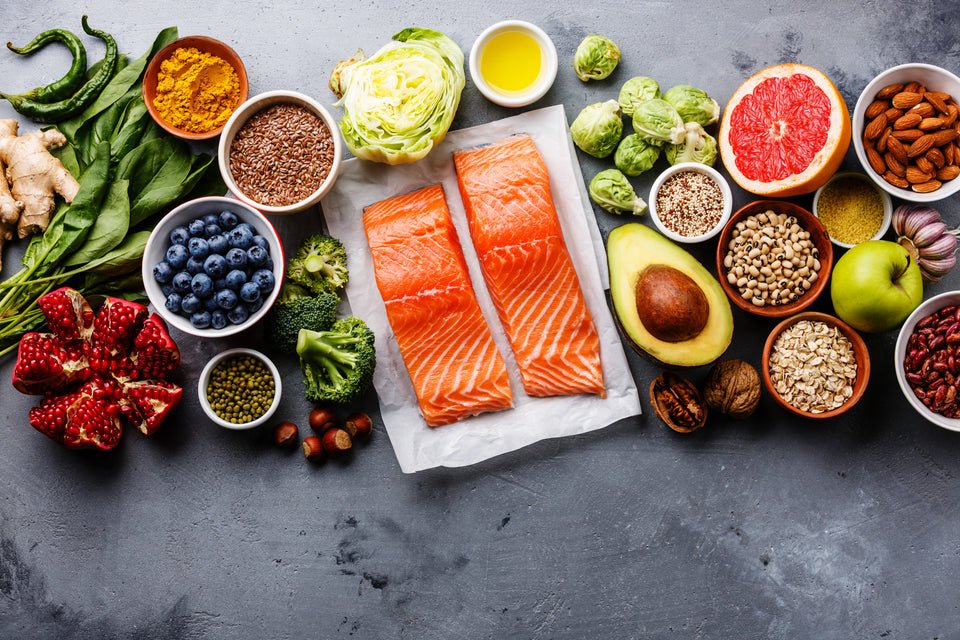
Improving nutritional habits does not require complex rules or restrictive eating patterns. This guide offers a practical way to add 7 antioxidant foods to your daily routine and support long-term wellness.
Foods like berries, leafy greens, beans, nuts, and seeds provide essential compounds. These include vitamin C, carotenoids, polyphenols, fiber, and catechins. Tomatoes, cruciferous vegetables, and green tea can further increase your intake.
The main goal is building a healthy diet with variety and realistic meal planning. No single food is a miracle cure or guaranteed answer for every ailment. Instead, make consistent, balanced choices that fit your lifestyle.
Key Takeaways
- Prioritize dietary variety to obtain a wide range of protective plant compounds.
- Berries and leafy greens offer high levels of vitamins and essential minerals.
- Incorporate beans, nuts, and seeds for fiber and sustained energy levels.
- Use tomatoes and cruciferous vegetables to diversify your nutrient profile.
- View these choices as part of a balanced lifestyle rather than a quick fix.
Why Antioxidants Matter in a Healthy Diet
Your daily diet helps manage hidden stress inside your body. Each day, cells perform complex tasks that keep you moving and create reactive molecules called free radicals. These molecules are normal byproducts of metabolism, but excess amounts can cause oxidative damage.
How Antioxidants Help Neutralize Free Radicals
Antioxidants act as a protective shield for your cells. They donate an electron to unstable free radicals, neutralizing them before they harm healthy tissue. Eating the best antioxidant foods gives your body tools to keep this balance.
What Antioxidants Can and Cannot Do for Health
See these compounds as part of a supportive lifestyle, not a medical cure. Vitamin C, vitamin E, carotenoids, and polyphenols support defense systems but cannot replace professional medical care. Consistency matters because these compounds work best when eaten regularly in a balanced diet.
Why Food-First Nutrition Supports Everyday Wellness
Choosing whole, nutrient-rich foods works better than relying on isolated supplements. Whole foods provide benefits that work together to support your health. Fruit and vegetables provide more than antioxidants:
- Dietary fiber to support healthy digestion.
- Essential minerals that regulate body functions.
- Plant-based proteins that help repair muscle tissue.
- Natural hydration from water-dense produce.
Prioritizing Variety Over Single “Superfoods”
Marketing campaigns often promote one “superfood,” but your body needs many nutrients. Relying on one or two foods limits your nutrient variety. Fill your plate with a colorful array of nutrient-rich foods for a broad range of protective compounds. Choose the best antioxidant foods from different categories to build a strong foundation for long-term wellness.
7 Antioxidant Foods Making Your Diet a Healthy One
You can boost your intake of beneficial compounds by choosing these 7 antioxidant foods. Instead of calling them miracle superfoods for health, view them as building blocks for a balanced lifestyle.
1. Berries for Vitamin C and Polyphenols
Easy Ways to Add Blueberries, Strawberries, and Raspberries
Berries provide excellent sources of vitamin C and polyphenols. Add them to oatmeal, blend them into smoothies, or enjoy them as a fresh snack.
Portion and Storage Tips for Fresh or Frozen Berries
Refrigerate berries for up to a week, or buy them frozen to preserve nutrients. A standard serving is one cup, which fits most daily meal plans.
2. Leafy Greens for Carotenoids and Vitamin K
Choosing Spinach, Kale, and Collard Greens
Leafy greens provide essential carotenoids and vitamin K. Look for vibrant, crisp leaves at the market for the highest quality produce.
Using Greens in Salads, Smoothies, Soups, and Sautéed Dishes
Wilt spinach into soups or blend kale into your favorite fruit smoothie. Sauté greens with garlic for a tasty side dish at dinner.
3. Beans for Polyphenols, Fiber, and Plant Protein
Comparing Black Beans, Kidney Beans, and Pinto Beans
Beans are rich in polyphenols, fiber, and plant protein. Each variety has a unique texture and flavor that suits many recipes.
Adding Beans to Tacos, Grain Bowls, and Chili
Add black beans to tacos or kidney beans to hearty vegetable chili. Beans make a satisfying, nutrient-dense base for grain bowls.
4. Nuts and Seeds for Vitamin E and Healthy Fats
Using Almonds, Walnuts, Sunflower Seeds, and Chia Seeds
Nuts and seeds are rich in vitamin E and healthy fats. They add a satisfying crunch to salads and yogurt bowls.
Managing Portions and Choosing Unsalted Options
Because nuts and seeds are calorie-dense, choose a small handful per serving. Always choose unsalted varieties to help control your sodium intake.
5. Tomatoes for Lycopene and Everyday Versatility
Fresh, Canned, and Cooked Tomato Choices
Tomatoes are a primary source of lycopene, which stays stable after cooking. Use fresh tomatoes in salads or canned tomatoes for sauces.
Pairing Tomatoes with Healthy Fats to Support Lycopene Absorption
Your body absorbs lycopene better when you pair tomatoes with healthy fats. Drizzle olive oil over roasted tomatoes or add avocado to tomato salad.
6. Cruciferous Vegetables for Sulfur Compounds and Fiber
Preparing Broccoli, Brussels Sprouts, and Cauliflower
Cruciferous vegetables offer sulfur compounds and fiber that support digestion. They work well with many cooking methods.
Reducing Bitterness with Roasting, Steaming, and Seasoning
If these vegetables taste bitter, roast them at high heat to bring out their natural sweetness. Lightly steam them, then add lemon juice to balance the flavor.
7. Green Tea for Catechins and a Low-Calorie Beverage Choice
Brewing Green Tea for Flavor and Quality
Green tea is a good source of catechins. To prevent bitterness, brew it with hot water that is not quite boiling.
Using Green Tea Mindfully Around Caffeine Sensitivity
Green tea is a low-calorie drink, but watch your caffeine intake. If you are sensitive to stimulants, enjoy tea earlier in the day.
Adding these 7 antioxidant foods to your routine supports better nutrition. These are not the only superfoods for health, but they provide a strong foundation for daily meals.
How to Choose the Best Antioxidant Foods at the Grocery Store
Filling your cart with the right items helps you maintain an antioxidant-rich diet. Learn to navigate the aisles and keep quality ingredients in your kitchen for long-term wellness.
Build a Colorful Produce List
Nature offers a visual guide to nutrition through the bright colors of fruits and vegetables. Pigments like anthocyanins in blueberries and beta-carotene in carrots often signal specific plant compounds.
Aim to include many colors in your basket each week. A diverse plate looks appealing and provides a wide spectrum of protective nutrients.
Compare Fresh, Frozen, Canned, and Dried Options
Many shoppers assume fresh produce is always best. However, frozen fruits and vegetables are often picked when ripe, helping them retain their nutrient density.
Canned and dried options offer convenience for busy schedules. Choose minimally processed items to get the best antioxidant foods in each category.
Read Labels for Added Sugar, Sodium, and Unnecessary Ingredients
Reading the nutrition facts panel is vital for health-conscious shoppers. Manufacturers may add hidden sugars or excess salt, reducing your purchase’s health benefits.
Scan the ingredient list for simple, familiar items. If it contains many unrecognizable additives, choose a whole-food alternative instead.
Choosing No-Salt-Added Beans and Unsweetened Products
When buying pantry staples like beans, look for labels that specify “no-salt-added” or “low-sodium.” These choices let you control seasoning while cooking.
Also, choose unsweetened dried fruits or canned fruits packed in water instead of heavy syrup. These small changes support an antioxidant-rich diet without unwanted additives.
How to Prepare Antioxidant-Rich Foods Without Losing Their Benefits
Getting the most from produce starts with kitchen care. These foods provide essential nutrients, but cooking affects how much goodness reaches your plate. Smart preparation helps protect each ingredient’s quality.
Use Gentle Cooking Methods for Delicate Produce
High heat can break down sensitive vitamins. To boost immunity, steam vegetables until just tender. This method keeps their color bright and texture natural.
Quick sautéing works well for greens and sliced vegetables. Use a little oil and high heat briefly to keep their crunch. Roasting suits root vegetables because it concentrates flavor without destroying their internal structure.
| Cooking Method | Best For | Nutrient Retention |
|---|---|---|
| Steaming | Broccoli, Carrots | High |
| Quick Sauté | Spinach, Kale | Moderate |
| Roasting | Tomatoes, Peppers | High |
Combine Nutrient-Rich Foods with Complementary Ingredients
Some plant compounds need fat for your body to absorb them. Pairing foods wisely helps your body use more of their nutrients.
Pairing Leafy Greens and Tomatoes with Healthy Fats
Adding olive oil or avocado to your salad does more than improve its taste. These healthy fats help your body absorb carotenoids from leafy greens and tomatoes. Healthy fats help your body gain more from each meal.
Adding Herbs, Spices, Citrus, and Vinegar Instead of Excess Salt
You do not need much salt to make food taste great. Fresh herbs, dried spices, and lemon juice add bright layers of flavor. These additions turn simple vegetables into culinary highlights without extra sodium.
Store Produce Properly to Preserve Quality and Reduce Waste
Proper storage helps keep food fresh. Keep leafy greens in a breathable container to prevent wilting. Store tomatoes at room temperature to preserve their flavor.
Remember that these foods are powerful free radical fighters, but they support a balanced lifestyle, not medical treatment. They support your body’s natural processes, but they are not instant fixes. Careful storage and preparation keep your diet a reliable source of free radical fighters that help you boost immunity over time.
How to Build a One-Day Antioxidant-Rich Meal Plan
Building a sustainable, nutrient-rich menu does not have to be hard or take much time. A repeatable plan helps you choose nutrient-rich foods and get needed fuel all day.
Step 1: Start Breakfast with Fruit and Whole-Food Protein
Berry Oatmeal, Greek Yogurt, or a Spinach-Based Breakfast
Start your morning with fiber-rich grains and high-quality protein. Together, they help steady blood sugar and provide lasting energy.
- Berry Oatmeal: Stir fresh or frozen blueberries into warm steel-cut oats.
- Greek Yogurt: Top plain yogurt with raspberries and a sprinkle of chia seeds.
- Spinach Scramble: Sauté fresh spinach with eggs or a plant-based protein alternative.
Step 2: Assemble a Balanced Lunch
Creating a Bean, Tomato, and Leafy-Green Grain Bowl
A grain bowl combines several nutrient-rich foods in one meal. Use whole grains, such as quinoa or brown rice. Add black beans and diced tomatoes.
Add a generous handful of dark leafy greens, such as kale or arugula, to boost the antioxidant profile. Drizzle on light olive oil dressing to help your body absorb fat-soluble vitamins.
Step 3: Add a Practical Afternoon Snack
Combining Green Tea with Nuts, Seeds, or Fresh Fruit
Refresh your focus mid-afternoon with a cup of green tea. Pair it with walnuts or almonds to control hunger until dinner.
Step 4: Make Dinner Around Vegetables and Plant Foods
Pairing Roasted Cruciferous Vegetables with Beans or Lean Protein
For your final meal, choose roasted cruciferous vegetables, such as broccoli, cauliflower, or Brussels sprouts. They offer health benefits when cooked with little heat.
“True wellness is found in the balance of what we eat and how we listen to our body’s unique requirements.”
Pair these roasted vegetables with beans or lean protein. This satisfying, fiber-packed dinner supports a healthy diet without feeling heavy.
Step 5: Adjust Portions to Fit Personal Energy Needs
There is no “one-size-fits-all” approach to nutrition. Adjust your intake for your lifestyle and physical demands.
| Factor | Adjustment Strategy |
|---|---|
| Activity Level | Increase complex carbs on high-movement days. |
| Hunger Cues | Listen to satiety signals rather than fixed portions. |
| Medical Needs | Consult a professional for specific dietary restrictions. |
Tailored portions keep your healthy diet flexible and enjoyable. Choose consistency over perfection to maintain progress over time.
How to Add These 7 Antioxidant Foods to Everyday Meals
Building an antioxidant-rich diet does not require a complete kitchen overhaul. Focus on small, steady additions that improve your favorite dishes. These seven foods can make everyday meals colorful and support your health.
Upgrade Familiar Breakfasts
Start your morning with fresh or frozen berries in oatmeal or Greek yogurt. This provides polyphenols and natural sweetness without added sugars. Add a spoonful of ground flaxseeds or walnuts for crunch and healthy fats.
Improve Sandwiches, Wraps, and Salads
Add dark, leafy greens to every sandwich or wrap you prepare. These greens provide essential carotenoids, which standard deli-style lunches often lack. Sliced tomatoes or beans can strengthen your antioxidant-rich diet and keep you full longer.
Make Soups, Pasta, and Grain Bowls More Nutrient-Dense
Beans work well in soups, stews, and pasta sauces. They provide fiber and plant protein, making meals more filling and heart-healthy. For grain bowls, roast broccoli or cauliflower for savory flavor and sulfur compounds.
Keep Convenient Antioxidant Foods Ready to Eat
Preparation helps you maintain healthy habits when life gets busy. Ready-to-use ingredients make nutritious choices easier than processed alternatives. Versatile staples keep an antioxidant-rich diet within reach throughout the week.
Freezing Berries and Chopping Vegetables Ahead of Time
Freezing berries at peak ripeness lets you use them in smoothies or oatmeal all year. Chopping kale or bell peppers on weekends saves time during busy weeknights. These proactive steps remove barriers to healthy eating and keep fresh choices ready.
| Food Item | Quick Serving Idea | Primary Benefit |
|---|---|---|
| Berries | Stir into morning oats | Vitamin C & Polyphenols |
| Leafy Greens | Layer into wraps | Carotenoids & Vitamin K |
| Beans | Mix into pasta sauce | Fiber & Plant Protein |
| Cruciferous Veggies | Roast for grain bowls | Sulfur Compounds |
Safety, Portions, and Common Antioxidant Diet Mistakes
While antioxidants are vital for wellness, how you use them matters as much as the foods themselves. Many people seek out superfoods for health, but balanced choices matter. Avoiding common mistakes helps keep your nutrition journey safe and lasting.
Do Not Treat Antioxidant Foods as Medical Treatments
Do not view specific fruits or vegetables as cures for chronic health conditions. These foods provide nutrients that support your body, but they cannot replace medical care or prescribed treatments. Always prioritize a balanced diet for wellness instead of seeking a quick fix.
Increase Fiber Gradually and Drink Enough Water
Adding beans, whole grains, and vegetables to meals greatly increases your fiber intake. Adding these foods too quickly may cause digestive discomfort or bloating. To help your body adjust, increase your fiber intake slowly and drink plenty of water throughout the day.
Account for Food Allergies, Intolerances, and Medication Interactions
Everyone has unique nutritional needs and possible food sensitivities. Antioxidant-rich foods, such as nuts or specific berries, can cause allergic reactions. Some produce can also interact with medications, so watch how your body responds to new foods.
Discuss Major Diet Changes or Supplement Use with a Healthcare Professional
Before making major changes to your eating habits, consult a doctor or registered dietitian. This matters especially when you consider concentrated supplements. A professional can help decide whether your plan suits your health history and remains safe.
Avoid Relying on Supplements Instead of Whole Foods
Supplements often lack the mix of vitamins, minerals, and fiber found in whole foods. Relying on pills or powders may create nutrient imbalances. Whole foods should always be your primary source of antioxidants for complete health benefits.
Limit Highly Processed Foods Marketed as “Superfoods”
The market is full of snacks and drinks labeled superfoods for health that are highly processed. These items often contain added sugars, sodium, and artificial ingredients that reduce their antioxidant benefits. Check the nutrition label and choose high-quality, minimally processed options.
| Feature | Whole Foods | Processed “Superfoods” |
|---|---|---|
| Nutrient Density | High and Natural | Often Fortified |
| Added Ingredients | None | Sugar, Salt, Preservatives |
| Fiber Content | Naturally High | Usually Stripped |
| Cost Efficiency | High Value | Expensive Marketing |
How to Maintain a Healthy Antioxidant Diet Long Term
Long-term wellness does not require perfection; it requires a sustainable rhythm. A flexible view of nutrition can help you keep healthy habits for years. Consistency beats intensity every time.
Use a Flexible Weekly Rotation
Rotate your food choices to gain a wide range of nutrients. Different colors, textures, and plant proteins keep meals enjoyable and your body nourished. These diverse plant foods act as effective free radical fighters that support your overall vitality.
- Rotate your berry choices weekly to capture different polyphenols.
- Alternate between leafy greens and cruciferous vegetables for varied fiber intake.
- Switch up your bean and legume varieties to keep meals interesting.
- Try new nuts and seeds to gain a broader profile of healthy fats.
Track Variety Rather Than Chasing Perfect Meals
Many people struggle when they try to make every meal flawless. Instead, focus on the cumulative effect of your weekly food choices. Variety keeps you from relying on only one or two foods for your health.
Picture your diet as a mosaic, not one perfect meal. Tomatoes, green tea, and various vegetables provide many protective compounds. This approach eases perfectionism and makes healthy eating feel natural.
Set Small Goals for Shopping, Preparation, and Meal Planning
Small changes create lasting success. Review your shopping list and find one place to add more color or fiber. You do not need to change your whole kitchen in one weekend.
Replace One Routine Food with an Antioxidant-Rich Alternative
The best way to build a habit is to replace one item at a time. For example, swap a processed snack for nuts or fresh fruit. These simple swaps turn your routine into a steady source of powerful free radical fighters.
One change at a time can prevent burnout and build confidence. Over time, these adjustments create a strong, health-promoting diet that feels easy to maintain. Consistency is the ultimate key to long-term success in your wellness journey.
Conclusion
Eating berries, leafy greens, beans, nuts, seeds, tomatoes, cruciferous vegetables, and green tea builds a strong foundation for wellness. These foods provide essential fiber and nutrients that support your body. A varied diet remains the best path to long-term vitality.
Choosing whole foods helps maintain your energy throughout the day. No single food can boost immunity alone, even though these ingredients support overall health. A diverse range of plants works better than searching for a miracle ingredient.
Your daily habits shape long-term well-being more than any single meal. Small, steady changes to your grocery list and cooking methods bring the best results over time. Keep meals colorful and varied to get a wide range of beneficial compounds.
True health comes from the combined effect of your lifestyle choices. These seven food groups support normal immune function as part of a balanced eating pattern. Explore new flavors and textures while building a sustainable, nutrient-dense diet.