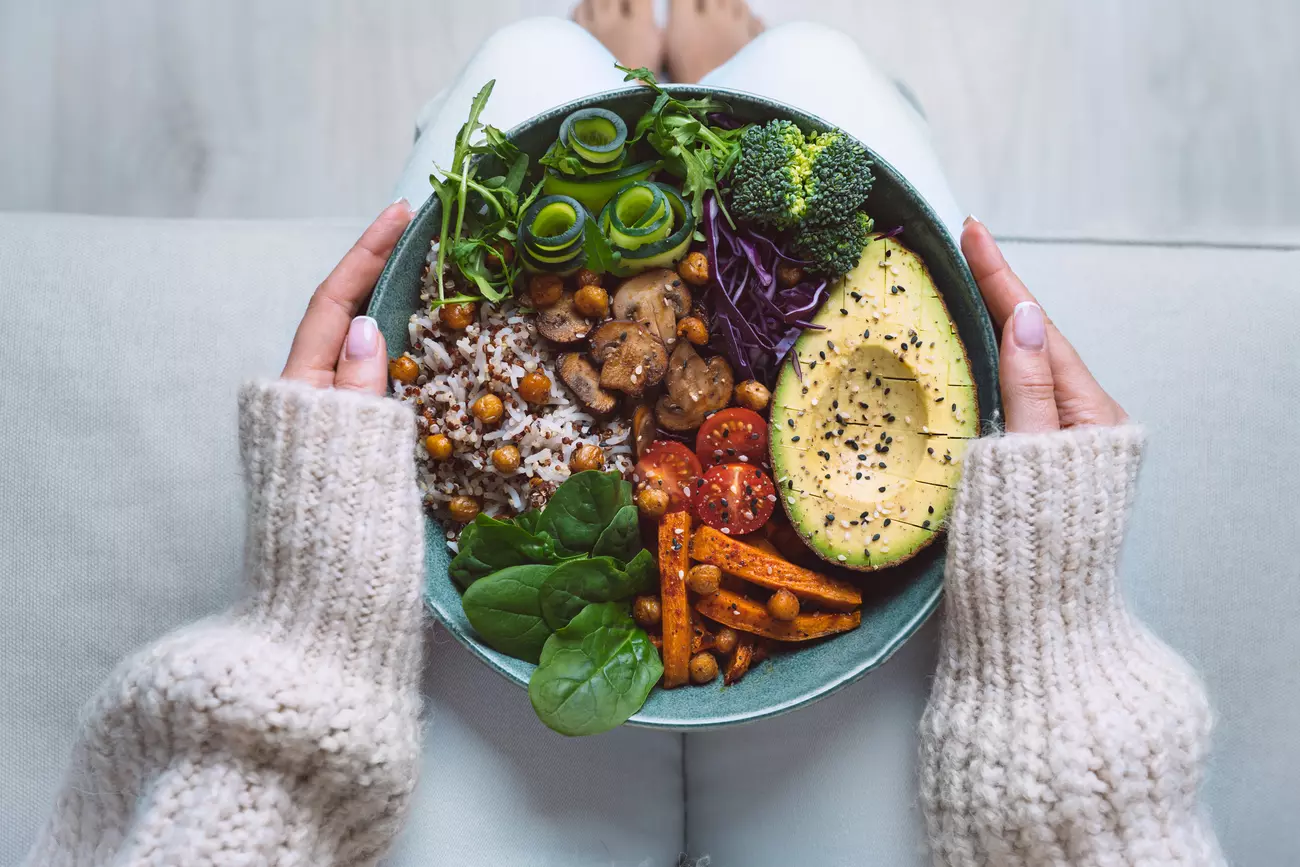
Healthy eating is not about following a strict diet, eliminating your favorite foods, or counting every calorie. It is about giving your body a variety of nutritious foods in appropriate amounts so you can meet your nutritional needs and support overall well-being.
A balanced diet typically includes vegetables, fruits, whole grains, legumes, protein-rich foods, healthy fats, and appropriate amounts of dairy or fortified alternatives. The exact balance can vary according to age, activity level, health needs, culture, food availability, and personal preferences.
The World Health Organization (WHO) describes a healthy diet around four broad principles: adequacy, balance, moderation, and diversity.
In this guide, we explain what healthy eating means, what foods to include, what foods to limit, and how to create simple balanced meals that can fit into everyday life.
What Is Healthy Eating?
Healthy eating means regularly choosing foods that provide essential nutrients while limiting excessive amounts of added sugars, sodium, unhealthy fats, and highly processed foods.
Your body needs several types of nutrients to function properly. These include carbohydrates, protein, fats, vitamins, minerals, fiber, and water.
Rather than focusing on a single “superfood” or nutrient, a healthy eating pattern considers the overall quality and variety of your diet.
According to the WHO, healthy diets can help protect against malnutrition and reduce the risk of several noncommunicable diseases, including cardiovascular disease, diabetes, stroke, and some cancers.
Why Is a Balanced Diet Important?
A balanced diet helps provide the nutrients and energy your body needs for everyday activities.
Eating a varied diet can help you:
- Meet your nutritional needs
- Support normal body functions
- Maintain healthy bones and muscles
- Support immune function
- Maintain energy throughout the day
- Support digestive health
- Maintain a healthy body weight
- Develop sustainable eating habits
Healthy eating is also about consistency. You do not need to make every meal perfect. What matters more is the pattern of foods you eat over days and weeks.
The WHO notes that the precise composition of a healthy diet can differ according to individual characteristics, cultural traditions, locally available foods, and dietary preferences.
The Main Components of a Balanced Diet
A healthy diet includes different food groups rather than relying heavily on one type of food.
1. Vegetables
Vegetables are an important source of vitamins, minerals, fiber, and other beneficial plant compounds.
Try to include different colors and types of vegetables throughout the week. Dark green vegetables, tomatoes, carrots, peppers, cabbage, cauliflower, peas, and other vegetables can all contribute to dietary variety.
Fresh vegetables are convenient, but frozen and canned options can also be nutritious. When choosing canned products, look for options without excessive added sodium.
2. Fruits
Whole fruits provide vitamins, minerals, fiber, and naturally occurring sugars.
Apples, oranges, bananas, berries, mangoes, pears, melons, and other fruits can be included as snacks or incorporated into meals.
Whole fruit is generally preferable to fruit juice because whole fruit contains fiber and requires more chewing. The WHO recommends that people older than 10 aim for at least 400 grams of fruits and vegetables per day, with age-specific amounts for younger children.
3. Whole Grains
Grains provide carbohydrates, which are an important source of energy.
Whenever possible, choose whole or minimally processed grains such as:
- Oats
- Brown rice
- Whole-wheat bread
- Whole-grain pasta
- Barley
- Millet
- Quinoa
- Whole-grain cereals
Whole grains generally provide more fiber and nutrients than refined grains.
The WHO recommends getting carbohydrates primarily from foods such as whole grains, vegetables, fruits, and pulses.
4. Protein-Rich Foods
Protein helps support muscles and many other functions in the body.
Healthy protein choices can include:
- Beans
- Lentils
- Chickpeas
- Peas
- Nuts
- Seeds
- Eggs
- Fish
- Poultry
- Lean meats
- Tofu and other soy foods
- Yogurt and other dairy foods
You do not have to rely on one protein source. Eating a variety of plant and animal protein foods can make your diet more diverse.
5. Healthy Fats
Fat is an essential part of a balanced diet, but the type of fat matters.
Sources of unsaturated fats include nuts, seeds, avocados, fish, and oils such as olive, sunflower, soybean, and canola oil.
The WHO recommends replacing saturated and trans fats with unsaturated fats where possible and avoiding industrially produced trans fats.
Remember that healthy fats are still energy-dense, so portion size matters.
6. Dairy and Fortified Alternatives
Milk, yogurt, cheese, and fortified dairy alternatives can provide nutrients such as calcium and protein.
If you avoid dairy, fortified alternatives can be considered depending on your nutritional needs and dietary preferences.
People with food allergies, intolerances, or specific medical conditions may need individualized dietary advice.
A Simple Way to Build a Balanced Meal
One practical approach is to think about the proportions of different food groups on your plate.
Harvard’s Healthy Eating Plate recommends making about half the plate vegetables and fruits, one-quarter whole grains, and one-quarter healthy protein sources. It also emphasizes healthy plant oils and choosing water or other unsweetened beverages.
For example, a balanced lunch might include:
Half the plate: Mixed vegetables and salad
One-quarter: Brown rice or whole-grain roti
One-quarter: Lentils, beans, fish, eggs, tofu, or another protein source
Alongside: Water and a piece of whole fruit
This is not a rigid formula. Your portions and food choices can be adjusted according to your individual nutritional requirements.
Foods to Limit
Healthy eating does not mean that you can never eat sweets, fried foods, or other less nutritious foods. However, these foods are generally better treated as occasional choices rather than the foundation of your diet.
Try to limit foods and drinks that are high in:
- Added or free sugars
- Sodium
- Saturated fat
- Trans fat
- Refined carbohydrates
- Excess calories
Highly processed foods can sometimes contain substantial amounts of salt, sugar, or unhealthy fats. The WHO recommends limiting foods high in these components as part of a healthy dietary pattern.
Watch Your Added Sugar Intake
Sugary beverages, sweets, desserts, and some packaged foods can contribute significant amounts of free sugar.
The WHO recommends limiting free sugars to less than 10% of total daily energy intake, with additional benefits possible at lower levels.
Choosing water instead of sugary drinks is one simple way to reduce unnecessary sugar intake.
Be Mindful of Sodium
Too much sodium can contribute to high blood pressure in many people.
Processed meats, packaged snacks, instant foods, sauces, and other processed products can contain significant amounts of sodium.
Cooking more meals at home can make it easier to control how much salt is added to food.
The Importance of Dietary Fiber
Fiber is naturally found in foods such as fruits, vegetables, legumes, nuts, seeds, and whole grains.
A varied, fiber-rich diet can support normal digestive function and contributes to overall dietary quality.
Instead of trying to get fiber from one particular food, include several sources throughout the day.
For example:
Breakfast: Oatmeal with fruit and nuts
Lunch: Lentils with vegetables and whole-grain bread
Snack: Apple or pear
Dinner: Beans, vegetables, and brown rice
The WHO recommends that people older than 10 years consume at least 25 grams of naturally occurring dietary fiber per day.
Healthy Eating on a Budget
Eating healthy does not necessarily require expensive ingredients.
Some affordable nutritious foods include:
- Lentils
- Beans
- Chickpeas
- Oats
- Seasonal vegetables
- Bananas
- Apples
- Eggs
- Brown or whole-grain staples
- Plain yogurt
- Frozen vegetables
Buying seasonal produce, preparing meals at home, using leftovers, and planning meals before shopping can also help reduce food waste and unnecessary spending.
Healthy Eating Tips for Everyday Life
Making small changes can be easier than completely changing your diet overnight.
Try these practical habits:
Plan Your Meals
Planning several meals in advance can reduce the temptation to rely on convenience foods when you are hungry.
Keep Healthy Foods Available
Keep fruit, nuts, yogurt, vegetables, and other nutritious options easily accessible at home.
Drink More Water
Water is essential for normal body function. Make water your main beverage when appropriate and limit sugary drinks.
Eat More Vegetables
Add vegetables to meals you already enjoy. For example, add spinach or other vegetables to eggs, include vegetables in sandwiches, or add mixed vegetables to rice and pasta dishes.
Choose Whole Foods More Often
Build meals around vegetables, fruits, legumes, whole grains, nuts, seeds, and nutritious protein sources.
Read Food Labels
When buying packaged foods, check serving sizes and compare amounts of sodium, added sugars, saturated fat, and other nutrients.
Avoid Extreme Dieting
Very restrictive diets can be difficult to maintain and may make it harder to obtain a broad range of nutrients. A sustainable eating pattern is generally more practical than short-term extreme restrictions.
Is Healthy Eating the Same for Everyone?
No. There is no single meal plan that works perfectly for every person.
Nutritional needs can vary based on age, activity level, pregnancy, medical conditions, allergies, medications, cultural food preferences, and other factors.
Someone who exercises regularly may have different energy and protein requirements from someone with a sedentary lifestyle. People with diabetes, kidney disease, food allergies, eating disorders, or other health conditions may need individualized dietary guidance.
If you have a medical condition or specific nutritional concern, speak with a qualified doctor or registered dietitian before making significant dietary changes.
A Simple One-Day Healthy Eating Example
Here is an example of how balanced eating might look during a typical day:
Breakfast: Oatmeal topped with berries, banana, and nuts.
Mid-morning snack: Plain yogurt and a piece of fruit.
Lunch: Lentils or grilled chicken with vegetables and brown rice or whole-grain bread.
Afternoon snack: Fruit, nuts, or vegetable sticks with a suitable dip.
Dinner: Fish, tofu, beans, or another protein source with cooked vegetables and a whole grain.
Beverages: Primarily water, with unsweetened tea or coffee if desired.
This is only an example. Portion sizes and food choices should be adapted to individual needs.
Healthy Eating Is About Balance, Not Perfection
One of the biggest misconceptions about healthy eating is that you must follow a perfect diet every day.
In reality, healthy eating is a long-term pattern.
A birthday cake, restaurant meal, dessert, or occasional fried food does not automatically make your overall diet unhealthy. The important question is what your normal eating pattern looks like most of the time.
Focus on adding nutritious foods rather than thinking only about what you need to remove.
Add another serving of vegetables. Choose whole fruit instead of juice. Include beans or lentils in a meal. Replace sugary drinks with water. Choose whole grains more often.
Small changes can become sustainable habits when repeated consistently.
Frequently Asked Questions About Healthy Eating
What is a balanced diet?
A balanced diet provides a variety of foods and nutrients in appropriate amounts. It generally includes vegetables, fruits, whole grains, protein-rich foods, healthy fats, and suitable dairy or fortified alternatives.
How many fruits and vegetables should I eat each day?
The WHO recommends at least 400 grams of fruits and vegetables per day for people older than 10 years. Individual needs can vary.
Are carbohydrates part of a healthy diet?
Yes. Carbohydrates are an important source of energy. The quality of carbohydrate sources matters, with whole grains, fruits, vegetables, and pulses being nutritious choices.
Should I completely avoid fat?
No. Fat is an important nutrient. Focus on healthier unsaturated fat sources while limiting saturated and avoiding industrially produced trans fats.
Is healthy eating expensive?
Not necessarily. Affordable foods such as beans, lentils, oats, seasonal produce, eggs, and other basic ingredients can form part of a nutritious diet.
Can healthy eating help with weight management?
A balanced diet can be part of a healthy weight-management approach. However, weight is influenced by multiple factors, including energy intake, physical activity, genetics, medications, health conditions, sleep, and other lifestyle factors.
Final Thoughts
Building a balanced diet does not require complicated rules. Start by focusing on variety, balance, moderation, and minimally processed nutritious foods.
Fill more of your meals with vegetables and fruits, choose whole grains more often, include nutritious protein sources, select healthier fats, drink plenty of water, and limit foods high in added sugars, sodium, and unhealthy fats.
Most importantly, create an eating pattern that is realistic for your lifestyle and that you can maintain over time.
For additional evidence-based nutrition information, visit the World Health Organization’s healthy diet guidance and Harvard T.H. Chan School of Public Health’s Healthy Eating Plate.
Medical Disclaimer
This article is intended for general educational and informational purposes only. It is not a substitute for professional medical, nutritional, or dietary advice. Individual nutritional needs vary. If you have a medical condition, take medication, are pregnant, or have specific dietary concerns, consult a qualified healthcare professional or registered dietitian before making significant changes to your diet.